 Working Hours - Mon – Fri 7:00 AM – 4:00 PM
 Talk to an Expert (07) 3204 1000
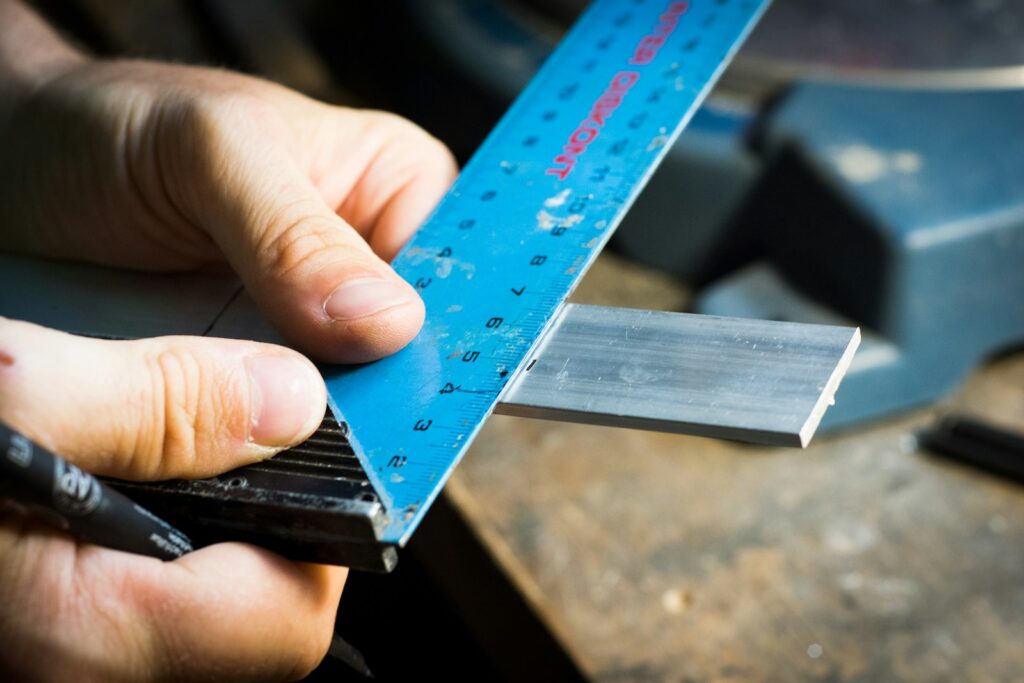
Steel components often need to fit together with very little room for adjustment, particularly on commercial construction projects where multiple sections, plates and connections must line up during installation. If a component is cut to the wrong dimensions or a hole is positioned incorrectly, the problem can extend well beyond the individual piece of steel. Work may need to stop while a replacement is produced, other trades may be delayed and additional costs can accumulate while the issue is corrected.
Accurate measurement and processing are therefore important well before steel reaches a construction site. The quality of the finished work depends on the drawings, the information supplied to the fabricator and the processes used to produce each component. Getting those details right early helps reduce avoidable problems during fabrication and installation.
For builders, manufacturers and fabricators ordering processed steel in Brisbane, understanding where dimensional accuracy matters most can help make the entire job run more smoothly.
Why Small Measurement Errors Can Cause Bigger Problems
The effect of an incorrect measurement depends on the component and how it will be used. A small discrepancy in a non-critical piece may be relatively easy to accommodate, but the same discrepancy can create problems when a component needs to connect with other steelwork, fit against an existing structure or align with pre-installed fixings.
Base plates are a good example. Their dimensions and hole positions may need to match anchor bolts already installed in a concrete footing. If the holes do not line up, the plate may not fit as intended, potentially requiring further work before installation can continue. Similar issues can occur with brackets, connection plates and other components that rely on accurate positioning.
The problem becomes more complicated when several parts have been manufactured to the same incorrect measurement. A single mistake can affect an entire batch, particularly when components are produced in large quantities. Correcting the issue may require new material, additional processing and another delivery to site.
This is why checking dimensions before cutting begins is generally far more efficient than trying to resolve discrepancies once the steel has been manufactured.
The Drawings Need to Be Right Before Steel Is Cut
Accurate steel fabrication starts with accurate information. Drawings should clearly identify the dimensions, material specifications, hole locations and other details required to manufacture the component. Where steel needs to fit into an existing structure, the measurements of that structure may also need to be verified before the final dimensions are confirmed.
This is particularly relevant for renovation work, extensions and structural modifications. Existing buildings do not always match their original drawings perfectly, especially where previous alterations have been carried out. Measurements taken from old plans may not reflect the actual dimensions on site, so relying on them without checking can introduce avoidable uncertainty.
Builders and fabricators should also make sure everyone is working from the latest approved drawings. If a connection detail or component dimension changes during the project, the updated information needs to reach the people responsible for processing the steel before production continues. Otherwise, components may be manufactured to an earlier specification and require rework.
Where engineering approval is required, changes to structural dimensions or connection details should be referred to the relevant engineer rather than adjusted on site without approval.
How Steel Processing Affects Dimensional Accuracy
The processing method needs to suit the material, the required dimensions and the shape of the finished component. Steel may need to be cut, drilled, punched, bent or processed in several different ways before it is ready for fabrication or installation. Each operation has its own requirements, and the sequence in which the work is carried out can affect the final result.
For example, a plate containing several holes and cut-outs needs to be processed in a way that produces the required dimensions and positions. Components that will be assembled together may need particularly careful coordination so that their connection points align correctly. If the work also involves bending, the dimensions of the original flat material need to account for the finished shape.
Repeatability is another consideration when a project requires multiple identical components. Producing each part to a consistent specification helps avoid differences that can complicate assembly, particularly when the components are installed across a larger structure.
Choosing an appropriate processing method and supplying clear specifications gives the steel processor the information needed to produce components that match the job requirements.
What Should Builders Check Before Ordering Processed Steel?
Before placing an order, check that the drawings are current and that the dimensions have been confirmed. Make sure the required steel grade, thickness and component sizes are specified, along with any holes, slots, notches or bends that need to be included in the finished product.
It is also worth identifying which dimensions are critical to the installation. Components that connect to existing structures or prefabricated assemblies may require more careful coordination than pieces that can be trimmed or adjusted during later fabrication. If the steel needs to fit against concrete, masonry or other materials, the relevant site measurements should be confirmed before production begins.
For larger orders, it can be useful to clarify how the components will be identified and supplied. Labelling pieces according to the drawings or their installation locations can make them easier to sort and distribute once they reach site, particularly when several different component types are involved.
These checks do not eliminate every possible issue, but they help reduce the risk of manufacturing steel that cannot be installed as intended.
Reducing Rework Through Better Preparation
Rework is expensive because the cost is rarely limited to producing another piece of steel. There may be additional labour, transport, equipment hire and delays to other work that depends on the component being installed. A replacement part may also need to be prioritised, disrupting the planned production schedule.
For builders and fabricators, spending time confirming the requirements before processing begins can help avoid these costs. Clear drawings, verified measurements and timely communication between the project team and steel supplier are all part of that process.
At Metro Steel, we supply and process steel for construction companies, builders, manufacturers and fabricators across Brisbane and South East Queensland. Our services include steel cutting and other processing work to prepare material for its intended application.
If you need steel components cut or processed to suit a project, contact Metro Steel to discuss your drawings, material requirements and processing needs before placing your order.
