 Working Hours - Mon – Fri 7:00 AM – 4:00 PM
 Talk to an Expert (07) 3204 1000
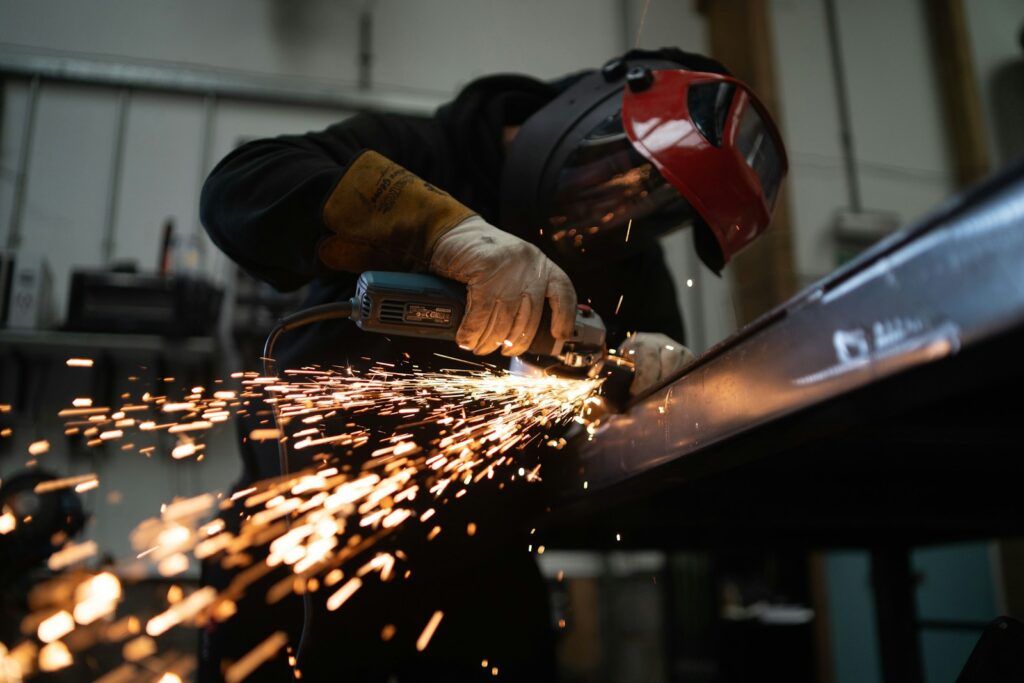
For most construction projects, there is a significant difference between having steel delivered as raw material and having it arrive ready to be installed. The decision about where that work takes place can have a bigger effect on the project than it might seem at the quoting stage. Cutting, drilling, welding and preparing steel on-site can sometimes be necessary, but where the work can be completed in a controlled workshop environment, there are usually some clear advantages.
The main one is control. A fabrication workshop has the space, equipment and conditions needed to produce steel components accurately without having to work around the same restrictions found on a busy construction site. Once the fabricated sections arrive, the installation team can focus on putting them into position rather than spending time carrying out work that could have been completed beforehand.
Site Conditions Can Make Steel Work More Difficult
Construction sites are constantly changing. Other trades are working around the same areas, materials are being moved, access can change and weather can affect what is practical on any given day. None of that means steel cannot be fabricated on-site, but it does create more variables.
A workshop is a much more predictable environment. Fabricators have access to proper cutting and processing equipment, dedicated work areas and better conditions for carrying out detailed work. That can be particularly useful where a project involves a large number of components that all need to be produced to the same dimensions.
It also reduces the amount of hot work and general fabrication activity that needs to take place around other trades. For a busy commercial site, keeping those activities off-site can make the overall workflow easier to manage.
Accuracy Is Easier to Maintain in a Workshop
Steel fabrication depends heavily on accuracy. If a component is cut incorrectly or a connection is positioned slightly out of place, the problem often becomes more difficult to deal with once the steel reaches site.
Off-site fabrication allows components to be measured, cut, drilled and assembled in a controlled environment before they leave the workshop. This gives the fabrication team an opportunity to identify issues before delivery rather than discovering them when installation is already underway.
That matters particularly on larger projects where one incorrect component can hold up several other parts of the job. Getting the fabrication right before the steel reaches site can save a considerable amount of time once the installation team starts work.
It Can Make the Site Team More Efficient
There is also a labour consideration.
Having tradespeople carry out fabrication work on-site means they’re spending time preparing steel rather than installing it. On a project with tight timeframes, that can become expensive quickly.
When fabricated steel arrives ready to install, the site team can spend more of its time on the actual construction work. There is less cutting and modification to organise and fewer reasons for other trades to be waiting around.
This is particularly useful when working on commercial or industrial projects where different parts of the programme are closely connected.
Not Every Project Needs the Same Approach
Off-site fabrication isn’t automatically the right choice for every job. Some projects involve changes that can only be dealt with once construction is underway, while smaller jobs may be more practical to handle with a combination of workshop and site work.
The important thing is having the fabrication requirements considered early enough to make the right decision.
A good fabricator can look at the drawings, materials, installation requirements and project programme and work out which parts are better completed in the workshop and which may need attention on-site.
For many Brisbane construction projects, getting as much of the fabrication completed before delivery makes the installation process considerably more straightforward.
Planning Fabrication Before Construction Gets Underway
The earlier fabrication is considered, the more opportunities there are to identify potential problems. Drawings can be reviewed, material requirements confirmed and fabrication scheduled around the wider construction programme rather than being treated as something that happens at the last minute.
Metro Steel works with builders, contractors and project teams across Brisbane on structural and custom steel projects. Our steel fabrication Brisbane services are designed to provide accurately prepared components that are ready for the next stage of construction.
If you’re planning a project and need steel fabricated to suit your drawings and installation requirements, speak with the Metro Steel team about your fabrication requirements.
