 Working Hours - Mon – Fri 7:00 AM – 4:00 PM
 Talk to an Expert (07) 3204 1000
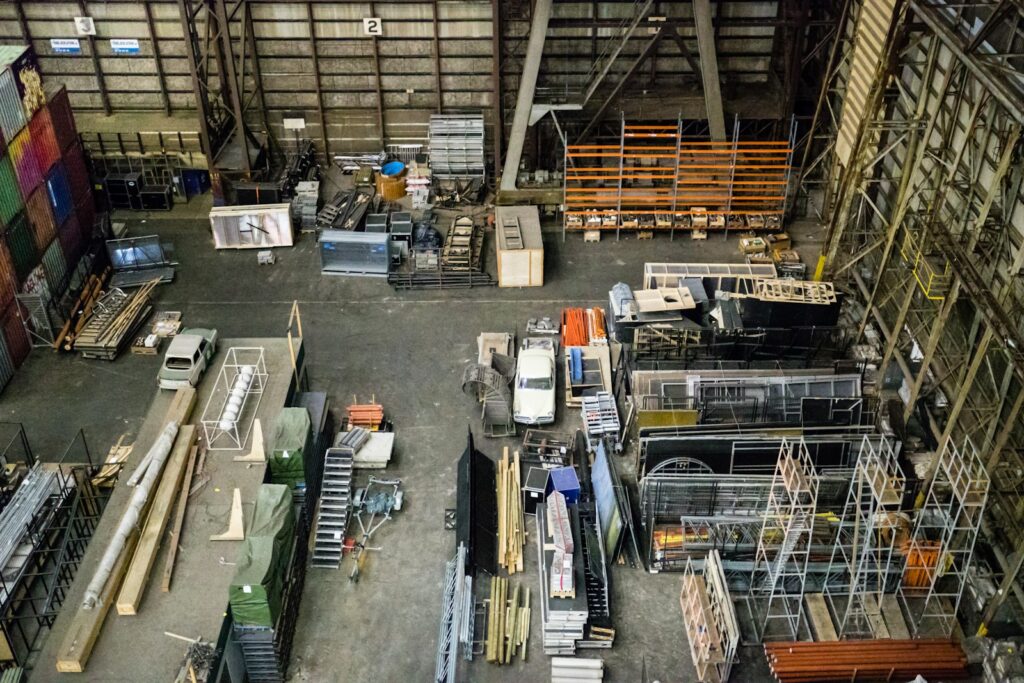
When a steel package falls behind, the assumption is often that fabrication took too long.
In reality, most delays start much earlier.
Anyone who has spent time around construction or commercial projects knows how often timelines tighten without much warning. One delay pushes another trade back, schedules get reshuffled and suddenly everyone is trying to make up lost time. Steel tends to sit in the middle of all of it, which is why problems during fabrication can have a bigger impact than people expect.
The interesting part is that fabrication itself is not usually the issue.
More often, delays start with missing information, rushed approvals or drawings that were never fully resolved before production began.
Fabrication Moves Quickly Once Everything Is Clear
A lot of people outside the industry picture fabrication as steel arriving at a workshop and immediately being cut, drilled and welded into finished sections.
That only really happens once the groundwork is sorted.
Before anything starts, there needs to be confidence around measurements, specifications, connection details and how components are expected to fit together on-site. If there are missing details or conflicting information, things slow down very quickly.
No fabrication team wants to manufacture steel based on assumptions, particularly when structural work is involved. Getting it wrong usually costs more time later than spending extra time confirming details upfront.
On larger jobs, it is not unusual for hold-ups to come down to something relatively minor. A revised measurement, an unclear connection detail or changes made after drawings were issued can be enough to stall progress.
Drawings Cause More Delays Than Most People Realise
Most experienced builders have seen it happen.
The steel package is due, site is ready and then something gets picked up in the drawings that should have been resolved weeks earlier.
Sometimes dimensions do not align properly. Sometimes installation access has not been considered. Other times, revisions happen late and no one is completely sure which version of the drawings is current.
Fabrication relies heavily on accuracy because steel does not leave much room for error. A framing adjustment on-site is one thing. Structural steel is another.
That is why good communication between engineers, builders and fabricators matters so much. Catching issues early is almost always easier than fixing them after steel has already been processed.
Quality steel fabrication in Brisbane is usually less about working faster and more about reducing problems before production begins.
Procurement Timing Can Create Pressure
Another issue that comes up regularly is timing.
Steel is sometimes left too late in the programme because other parts of the job have taken priority. Then when fabrication is finally needed, expectations tighten quickly.
The challenge is that steel packages often involve more than fabrication alone.
Material availability, processing requirements, workshop capacity and delivery schedules all play a role. When lead times shrink, pressure builds across every stage.
That does not necessarily mean jobs cannot be turned around quickly, but rushed timelines tend to increase risk.
Most smoother projects involve steel discussions happening earlier than people think.
Why Experience Makes a Difference
Every project has moving parts and no two jobs are exactly the same.
An experienced fabrication team will often pick up potential issues early because they have seen similar problems before. It might be something in the drawings that does not quite add up or a practical issue around installation that looks likely to cause trouble later.
These conversations can feel small at the time but often save far bigger headaches once steel reaches site.
Most people only notice fabrication when something goes wrong. When it runs properly, it tends to stay in the background, which is usually a sign the planning was done properly from the start.
Metro Steel works with builders, project managers and commercial clients across Brisbane to help keep fabrication moving without unnecessary delays. In many cases, getting involved earlier in the process makes the biggest difference.
