 Working Hours - Mon – Fri 7:00 AM – 4:00 PM
 Talk to an Expert (07) 3204 1000
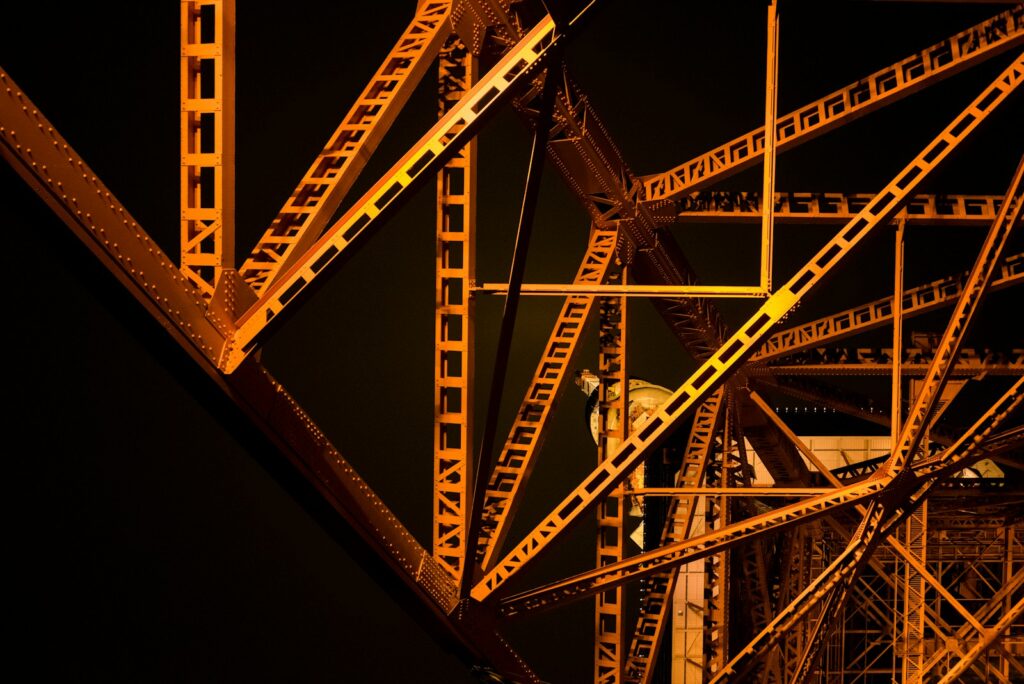
Galvanising is commonly used to protect structural steel from corrosion, particularly when steel will be exposed to the weather or installed in an environment where moisture is likely to be present. For builders, fabricators and other businesses ordering structural steel in Brisbane, deciding whether galvanising is necessary is something that is best considered before fabrication begins rather than after the steel has already been produced.
The right approach depends on where the steel will be used, how exposed it will be and what sort of service life is expected from the finished structure. Steel used inside a dry commercial building will have very different corrosion requirements from steel used outdoors, near the coast or in an area where it is regularly exposed to moisture. Galvanising can be an effective way of providing additional protection in the right application, but it is not automatically required for every structural steel project.
How Does Galvanising Protect Steel?
Galvanising involves coating steel with zinc to provide protection against corrosion. The zinc creates a physical barrier between the steel and the surrounding environment, while also providing sacrificial protection if the coating is damaged. This is why galvanised steel is commonly used in applications where long-term exposure to moisture or weather is expected.
The galvanising process is generally carried out after the steel component has been fabricated. Structural sections, plates and other components can be cut, drilled and welded before being sent for galvanising, allowing the finished item to receive its protective coating. This makes the fabrication stage important because the design of the component needs to take the galvanising process into account.
For example, fabricated hollow sections may require suitable vent and drain holes so that gases and molten zinc can move through the component during processing. The size and shape of fabricated items can also affect how they are handled and processed. These details are much easier to address when galvanising has been considered as part of the original fabrication requirements.
When Is Galvanising Worth Considering?
The environment where the steel will be installed is usually one of the main considerations. Steel that is exposed to rain and humidity will generally have greater corrosion exposure than steel located inside a dry building. The situation can become more demanding in coastal areas, where salt-laden air can contribute to corrosion, or around facilities where steel is regularly exposed to water.
Outdoor stairs, platforms, handrails, structural supports and other exposed steelwork are examples of applications where galvanising may be appropriate. It can also be useful where access for future maintenance is difficult. If a steel structure is installed in a location where repainting or treating the steel every few years would be difficult or disruptive, providing corrosion protection during fabrication may make practical sense.
The expected life of the structure should also be considered. A temporary structure may have very different requirements from permanent structural steel that is expected to remain in service for decades. The cost of galvanising needs to be considered alongside the environment, maintenance requirements and expected service life rather than looking at the initial steel price on its own.
Does Every Outdoor Steel Structure Need to Be Galvanised?
Not necessarily. Galvanising is one method of protecting steel from corrosion, but there are other options that may be more suitable depending on the application. A suitable paint or protective coating system may be specified where a particular appearance is required or where the project has other coating requirements.
The condition and environment around the steel also matter. Two structures can both be installed outdoors but experience very different levels of exposure. A covered structure with limited contact with rain may have different requirements from steel that is fully exposed to the elements.
This is why it is useful to establish the required level of corrosion protection as part of the project specifications. If galvanising has been specified by the engineer or project documentation, the steel needs to be fabricated with that requirement in mind. If the choice is still open, the intended application can help determine whether galvanising provides a worthwhile benefit.
What Needs to Be Considered Before Galvanising?
Galvanising can affect how fabricated steel needs to be designed and prepared. Welded components, hollow sections, enclosed areas and drainage points all need to be considered before the steel is sent for treatment. Large or unusually shaped fabrications can also require additional planning because of the way they will be handled during the galvanising process.
This is particularly relevant for structural steel that has been cut and fabricated into complex assemblies. It is much easier to make any necessary adjustments while the steel is still being prepared than to discover later that a completed component cannot be processed in the intended way.
The finished dimensions and tolerances of the component can also be relevant. Where steelwork needs to fit together accurately on site, the fabrication, coating and installation requirements should all be considered as part of the same process.
For this reason, builders should tell their steel supplier or fabricator if galvanising is required when placing the order. Providing the drawings and relevant specifications at the beginning gives the fabricator the information needed to plan the job correctly.
Is Galvanised Steel More Expensive?
Galvanising adds another stage to the steel supply process, so it will generally cost more than supplying the same steel without corrosion protection. The additional cost needs to be weighed against the conditions the steel will be exposed to and the maintenance that may otherwise be required over its service life.
For a structural component inside a building, paying for galvanising may provide little practical benefit. For steel that is permanently exposed to weather and difficult to access once installed, the calculation can be quite different. Protecting the steel before it reaches site may reduce the amount of maintenance required later and help extend the useful life of the structure.
There can also be costs associated with getting the decision wrong. If galvanising is required but is not considered until after fabrication, additional work may be needed to prepare the steel. Planning the requirement from the outset is generally a much simpler approach.
Choosing the Right Steel Protection for Your Project
Galvanising can be a very effective option for structural steel that needs long-term protection from corrosion, particularly in exposed environments. It is not, however, something that should be selected without considering the application. The environment, design, expected service life, maintenance requirements and fabrication process all have a bearing on whether galvanising is appropriate.
At Metro Steel, we supply and fabricate structural steel for builders, construction companies, manufacturers and other businesses throughout Brisbane and South East Queensland. If your project requires galvanised steel, it is worth discussing the requirements with your steel supplier before fabrication begins so the material and processing can be planned around the finished application.
For structural steel supply, fabrication and processing, contact Metro Steel to discuss your project and the steel requirements for your next job.
