 Working Hours - Mon – Fri 7:00 AM – 4:00 PM
 Talk to an Expert (07) 3204 1000
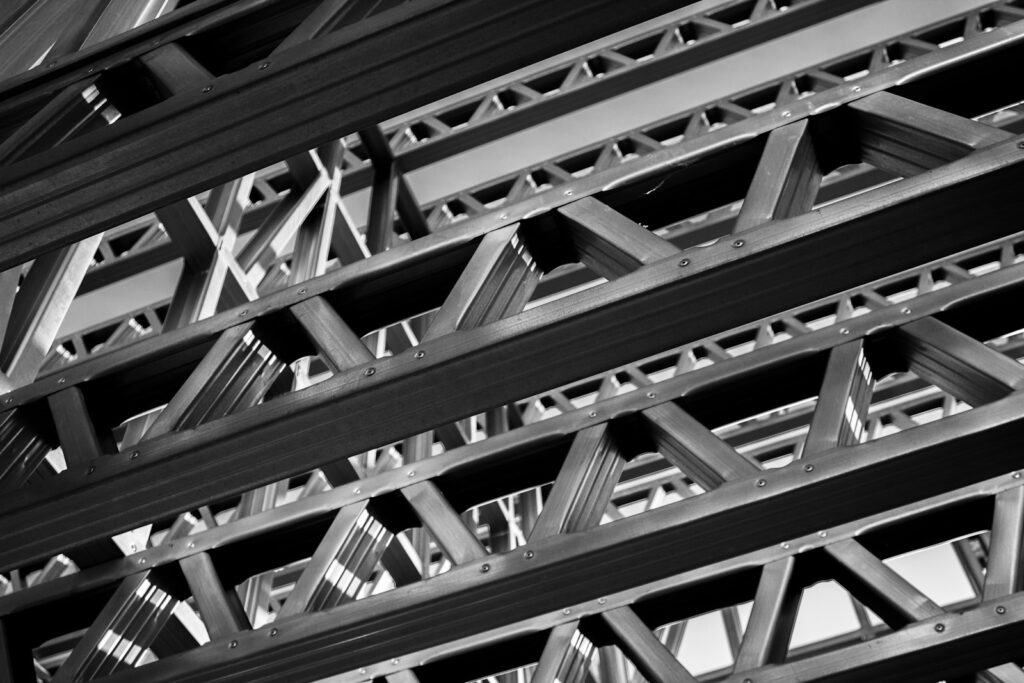
When it comes to construction, steel is an essential material that provides strength, durability and support. However, not all steel is the same. Two of the most commonly used types in construction are structural steel and reinforcing steel. While they may seem similar, they serve entirely different roles. Structural steel is used to create the framework of buildings, bridges and towers, whereas reinforcing steel strengthens concrete structures, making them more resilient to tension and cracking.
At Metro Steel, we understand the importance of using the right steel for the right job. Let’s break down the key differences between structural steel and reinforcing steel to help you make the best choice for your project.
Understanding Structural Steel
Composition, Properties and Strength
Structural steel is a high-strength metal alloy, typically composed of iron, carbon and other elements like manganese and silicon. It is engineered to bear heavy loads and resist bending, making it ideal for load-bearing structures. Structural steel has a high tensile strength, allowing it to withstand immense forces without deformation.
Common Uses in Modern Construction
Structural steel is a core component in modern construction. It is used in building frames, bridges, warehouses and skyscrapers. Due to its versatility, it can be shaped into beams, columns and other structural components. It is also fire-resistant, recyclable and relatively easy to work with, making it a preferred choice for architects and engineers.
Understanding Reinforcing Steel
Composition and Durability
Reinforcing steel, also known as rebar, is designed to strengthen concrete structures. Unlike structural steel, it does not form the primary framework of a building but is embedded within concrete to increase tensile strength. Rebar is typically made from carbon steel and often features ridges or deformations to improve adhesion with concrete.
Typical Applications in Reinforced Concrete
Reinforcing steel is essential for bridges, roads, foundations and high-rise buildings. Since concrete is strong in compression but weak in tension, rebar compensates for this weakness, preventing cracks and ensuring structural integrity over time. Without reinforcing steel, concrete structures would be much more prone to failure under stress.
Comparing Structural and Reinforcing Steel
When selecting steel for construction, it is essential to understand the differences between structural steel and reinforcing steel. Each type serves a unique function and has distinct properties that make it suitable for specific applications.
Material Differences and Performance Metrics
Understanding the fundamental differences between structural steel and reinforcing steel is crucial when selecting the right material for your construction project. These two types of steel serve distinct purposes and have unique properties that affect their performance in different applications.
- Primary Function:
- Structural Steel: Used as the main framework in construction, supporting loads and maintaining stability.
- Reinforcing Steel (Rebar): Embedded within concrete to enhance tensile strength and prevent cracking, ensuring the concrete structure remains intact over time.
- Material Composition:
- Structural Steel: Made from a high-strength alloy of iron, carbon, manganese and silicon, giving it exceptional durability and load-bearing capacity.
- Reinforcing Steel: Typically carbon steel with ridges, designed to create a strong bond with concrete, enhancing structural integrity.
- Strength and Flexibility:
- Structural Steel: Has high tensile strength and resists bending under heavy loads, making it ideal for tall buildings, bridges and large-scale structures.
- Reinforcing Steel: Works best in compression with concrete but lacks the independent strength needed for standalone structures.
- Durability and Corrosion Resistance:
- Structural Steel: Often treated with protective coatings such as galvanisation or paint to resist rust and corrosion.
- Reinforcing Steel: Can be coated with epoxy or stainless steel cladding to prevent rusting inside concrete structures, ensuring longevity.
Understanding these differences is essential for engineers, architects and builders, helping them make informed decisions based on strength requirements, environmental exposure and long-term durability. Whether you’re working on a skyscraper or reinforcing a concrete foundation, choosing the right type of steel ensures the safety and success of your project.
Design, Engineering and Cost Considerations
Design and engineering considerations play a significant role in determining whether structural steel or reinforcing steel is the right choice for a project. Each type of steel has unique fabrication processes, cost implications and industry standards that influence decision-making.
- Fabrication and Construction Process:
- Structural Steel: Requires precise cutting, welding and bolting, often needing on-site assembly and additional engineering support. It is shaped into beams, columns and other structural components, providing essential support for buildings and infrastructure.
- Reinforcing Steel (Rebar): Typically cut, bent and placed inside concrete frameworks before the concrete is poured. It requires less detailed fabrication compared to structural steel but must be positioned correctly to ensure maximum effectiveness.
- Cost Differences and Budget Considerations:
- Structural Steel: Generally more expensive due to higher processing and fabrication requirements. However, it offers long-term durability, making it a cost-effective investment for large-scale projects.
- Reinforcing Steel: More affordable, primarily because it is used in higher volumes within concrete-based structures. The cost depends on the type of rebar and whether protective coatings (such as epoxy) are required to enhance durability.
- Industry Standards and Safety Regulations:
- Both structural and reinforcing steel must adhere to strict building codes and safety regulations to ensure stability and longevity.
- Reinforcing steel requires proper installation within concrete to prevent corrosion and structural failure over time.
- Structural steel must meet specific load-bearing and fire resistance standards to ensure the safety of high-rise buildings and large infrastructure projects.
Understanding these design, engineering and cost considerations ensures that the right type of steel is chosen for the right application, ultimately leading to a safer and more efficient construction process.
Wrapping Up Structural Steel vs Reinforcing Steel – A Metro Steel Insight
Understanding the difference between structural steel and reinforcing steel is crucial for any construction project. Structural steel provides the framework and stability needed for buildings and bridges, while reinforcing steel strengthens concrete structures, preventing cracks and increasing longevity.
At Metro Steel, we provide high-quality steel solutions tailored to your project needs. Whether you need structural steel for load-bearing support or reinforcing steel for concrete reinforcement, we have the expertise and materials to help. Contact us today to discuss your requirements and ensure your construction project stands the test of time.
