 Working Hours - Mon – Fri 7:00 AM – 4:00 PM
 Talk to an Expert (07) 3204 1000

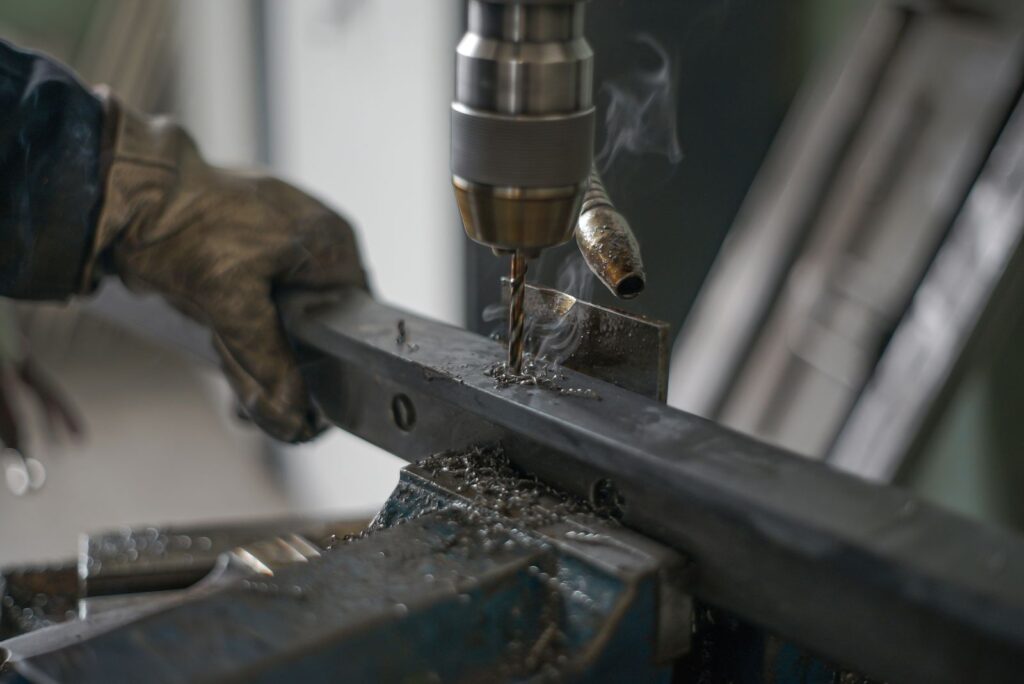
When ordering steel for a fabrication or construction project, the way the material is processed can be just as important as choosing the correct size and section. Holes are often required in steel components to accommodate bolts, fixings, brackets, connections and other hardware. While drilling and punching can both be used to create these openings, they work differently and are suited to different requirements.
Choosing the right method can help make fabrication more efficient, improve consistency across multiple components and reduce the amount of additional work required once the steel reaches the workshop or job site.
For builders, manufacturers and fabricators ordering processed steel, understanding the difference between punching and drilling is useful when preparing drawings and requesting a quote.
What Is Steel Punching?
Steel punching is a processing method that uses a punch and die to create a hole through the material. The punch applies force to the steel, pushing a section of material through the die to produce the opening.
It is commonly used when multiple holes need to be produced in a consistent pattern or when components require repeated openings in specific positions. For example, steel brackets, plates and other fabricated components may require several holes to accommodate bolts or connecting hardware.
One of the main advantages of punching is efficiency when producing repeated holes in suitable materials. Once the correct tooling is selected and positioned, the process can produce consistent results across a batch of components without needing to drill every hole individually.
However, punching is not suitable for every situation. The material thickness, hole diameter, steel type and available tooling all influence whether punching is an appropriate option. The distance between a hole and the edge of the material also needs to be considered, as does the overall arrangement of the holes.
What Is Drilling Steel?
Drilling creates holes by using a rotating cutting tool to remove material from the steel. Unlike punching, which pushes material out of the opening, drilling cuts through the workpiece to produce the required hole.
It is a flexible option for fabrication work because the hole diameter and position can be selected according to the component’s requirements. Drilling may be preferable when working with less standardised hole sizes, particular hole positions or materials that are not suitable for the available punching equipment.
For example, a steel plate may require holes at different spacings to suit a particular connection detail. Drilling can provide flexibility when producing these openings, particularly when the job involves a smaller number of components or a less repetitive layout.
The quality of the finished hole depends on several factors, including the condition of the cutting tool, the material being processed and the accuracy of the setup. Correct positioning is especially important when the holes need to align with other components during assembly.
What Is the Difference Between Punching and Drilling?
The main difference is how each process removes material and how that affects the type of work being carried out.
Punching is often efficient for producing repeated holes in suitable steel sections and plates, particularly when the same hole sizes and positions are required across multiple components. Drilling offers greater flexibility where hole sizes, locations or processing requirements vary.
Neither method is automatically better than the other. The right choice depends on the material, the component design, the required hole dimensions and the number of pieces being processed.
For a fabricator ordering steel for a larger project, punching may be a practical option where multiple components require consistent hole patterns. For a smaller custom job with unusual hole positions or dimensions, drilling may be more appropriate. In some cases, the most suitable method will depend on the equipment and tooling available to process the particular material.
This is why it is worth discussing the requirements with your steel supplier before placing an order, especially when the holes are an important part of how the finished components will connect.
Why Hole Position and Spacing Matter
Regardless of the processing method, accurate hole positioning is essential. A hole that is slightly out of position can create problems when components need to be bolted together, particularly when several pieces must align during installation.
This is especially relevant for base plates, brackets, connection plates and other components where the hole pattern needs to match an existing structure or another fabricated item.
When preparing drawings, make sure hole locations are clearly dimensioned from suitable reference points rather than relying on measurements taken from an image or an approximate sketch. Include the required hole diameter, spacing and any relevant edge distances. If the component needs to align with existing bolts or fixings, provide those measurements as well.
It is also worth checking that the drawing reflects the final design. Changes to hole positions after steel has been processed can mean additional work, replacement material or delays while components are corrected.
What to Include When Ordering Processed Steel
When requesting a quote for steel that requires punching or drilling, provide enough information for the supplier to understand the full processing requirements. This includes the steel type and dimensions, the number of components required, hole diameters, positions and quantities, along with any drawings showing how the finished pieces will be used.
If you are ordering a batch of identical components, make that clear so the supplier can assess the most efficient processing method. If there are different hole patterns or variations between pieces, identify these in the drawings rather than assuming every component is the same.
It is also worth discussing tolerances and any requirements relating to the finished holes before processing begins. Where components form part of a structural connection, the design and engineering requirements should determine the necessary dimensions and tolerances rather than leaving these decisions to be made during fabrication.
Steel Punching and Drilling Services in Brisbane
Having steel supplied and processed through the same supplier can make ordering more straightforward, particularly when a project involves multiple components and different processing requirements.
Metro Steel provides steel sales and processing from its facility in Deception Bay, supplying builders, manufacturers, fabricators and other customers across Brisbane and surrounding areas. Its in-house processing capabilities include cutting, punching, drilling, bending, notching, guillotining, cropping and rolling.
Whether you need a small batch of processed components or steel for a larger fabrication project, providing clear drawings and specifications helps the team understand what is required before work begins.
You can find out more about steel processing services in Brisbane or contact Metro Steel to discuss your requirements and arrange a quote.
