 Working Hours - Mon – Fri 7:00 AM – 4:00 PM
 Talk to an Expert (07) 3204 1000

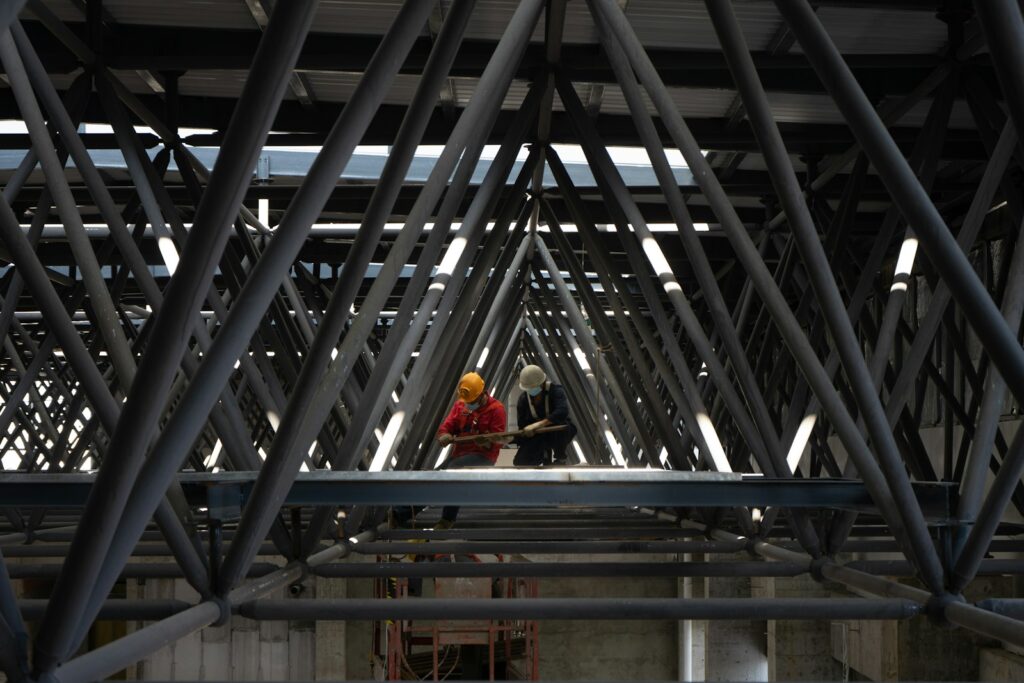
Structural steel is used in a wide range of buildings and industrial facilities, but not every steel job involves a new structure. Existing steelwork may need to be repaired, replaced or modified because of corrosion, physical damage, changes to a building’s layout or the installation of new equipment. In these situations, ordering replacement steel can require more preparation than a standard supply order because the new components need to suit a structure that is already in place.
A replacement plate, bracket or steel section may look straightforward to manufacture, but its dimensions, material grade and connection details need to be appropriate for the existing structure. If the measurements are wrong or the replacement component does not match the approved design, it may not fit properly or perform as intended.
For builders and contractors arranging structural repairs in Brisbane, confirming the requirements before ordering steel can help reduce delays and avoid unnecessary fabrication costs.
Why Structural Steel Repairs Require Careful Measurement
When steel is being supplied for a new project, the design drawings generally establish the dimensions and connection details before steel fabrication begins. Repair work can be different because the existing structure may have changed since it was originally built.
Corrosion, previous repairs, modifications and construction tolerances can all affect the dimensions found on site. An original drawing may show where a plate or bracket should sit, but it does not necessarily confirm the exact condition or measurements of the existing steelwork today.
This is particularly relevant when replacing a damaged connection plate or adding reinforcement to an existing beam or column. The replacement needs to match the approved repair design and account for the actual conditions at the installation location. If the measurements are based solely on old drawings without checking the structure, the finished component may require additional work before it can be fitted.
Where the repair involves a structural member or connection, the design and any proposed changes should be assessed by an appropriately qualified engineer. A fabricator or steel supplier can process material to the required dimensions, but should not be expected to determine structural adequacy from measurements alone.
Identifying the Correct Steel Grade and Thickness
Matching the dimensions of the original component is only part of the job. The replacement steel also needs to meet the requirements of the repair design, including the specified grade, thickness and any relevant material properties.
Two steel plates can look almost identical while having different specifications. Using a readily available plate without checking the required grade or thickness can therefore create problems, particularly where the component forms part of a load-bearing connection or reinforcement detail.
The original drawings, fabrication documentation and engineering repair specifications may provide the information needed to identify the correct material. If those records are unavailable or the existing component cannot be identified confidently, the project engineer may need to establish the appropriate replacement specification.
It is also worth considering whether the new steel requires corrosion protection. Replacement material installed outdoors or in a damp environment may need a specified coating or treatment to suit the surrounding conditions. The finish should be confirmed before fabrication so that the supply and processing arrangements can account for it.
Getting Replacement Plates and Connections Fabricated Correctly
Structural repairs often involve components that need to fit an existing arrangement of bolts, welds or other connections. Base plates, cleats, brackets, stiffeners and connection plates may all need to be cut or drilled to match the approved repair drawings.
Hole positions can be particularly important when a replacement plate needs to fit existing anchor bolts or bolt holes. Even a small discrepancy can prevent the component from sitting correctly, and enlarging or repositioning holes on site may not be an acceptable solution without engineering approval.
The same applies to replacement sections that connect to existing steel members. Their dimensions and connection details need to match the repair design, while the fabrication sequence needs to account for any cutting, drilling, punching or bending required before the component can be installed.
Providing clear drawings and confirmed measurements when ordering processed steel helps the supplier manufacture the required components more accurately. If any dimensions or details remain uncertain, it is better to resolve them before the steel is cut rather than relying on adjustments during installation.
What If the Existing Steel Is Corroded or Damaged?
Corrosion and physical damage are common reasons for repairing or replacing steelwork, but the visible condition of a component does not always tell the full story. Rust may be concentrated around a connection, develop in areas that retain moisture or affect sections that are difficult to inspect. In some cases, the surrounding steel may also have been weakened.
Before replacement steel is ordered, the extent of the damage and the repair requirements need to be established. Depending on the circumstances, the work might involve replacing an individual component, reinforcing an existing member or carrying out a more extensive repair. These options have different material and fabrication requirements, so the proposed solution should be confirmed before an order is placed.
Corrosion protection also deserves attention when the replacement is installed. If the original damage was caused by ongoing exposure to moisture or an unsuitable coating system, simply installing new steel without addressing the underlying conditions may lead to similar problems later. The appropriate treatment will depend on the environment, the steel specification and the requirements of the repair design.
For structural work, decisions about the extent of the damage and the adequacy of the proposed repair should be made by the responsible engineer or other appropriately qualified professional.
Planning Steel Supply Around the Repair Schedule
Repair work is often carried out while a building, warehouse or industrial facility is already operating. This can make timing particularly important, as access may be restricted and the work may need to be completed within a planned shutdown or maintenance window.
If replacement steel arrives with incorrect dimensions or missing processing, the delay can affect more than the fabrication work itself. Contractors may need to reschedule labour, equipment or access arrangements while waiting for the correct component to be produced.
Providing the steel supplier with the approved drawings, material requirements and delivery expectations at the beginning helps the job be planned more effectively. It is also worth confirming whether the order includes all the required processing, such as cutting, drilling or bending, so that the steel arrives ready for the next stage of work.
Where several replacement components are required, clear identification and coordination can also help ensure the correct pieces reach the relevant work area. This is particularly useful on larger repair projects where multiple items are being manufactured for different locations within the same building or facility.
Choosing a Steel Supplier for Repair and Replacement Work
The right steel supply arrangement depends on the scope of the repair and the condition of the existing structure. Some jobs require standard sections or plate supplied to a confirmed specification, while others involve several components that need to be cut and processed according to detailed drawings.
A supplier that can provide both steel and processing services can help simplify the ordering process by allowing material requirements and fabrication needs to be discussed together. However, the repair design still needs to be established before the steel is manufactured, particularly where structural performance or existing connections are involved.
At Metro Steel, we supply steel and provide processing services for builders, contractors, fabricators and other businesses across Brisbane and South East Queensland. Whether you require steel plate, sections or material prepared to specific dimensions, providing clear specifications at the outset helps us understand what is required for the job.
If you are arranging a structural steel repair or replacement and need material cut or processed to suit an approved design, contact Metro Steel to discuss your requirements and organise the steel supply for your project.
