 Working Hours - Mon – Fri 7:00 AM – 4:00 PM
 Talk to an Expert (07) 3204 1000
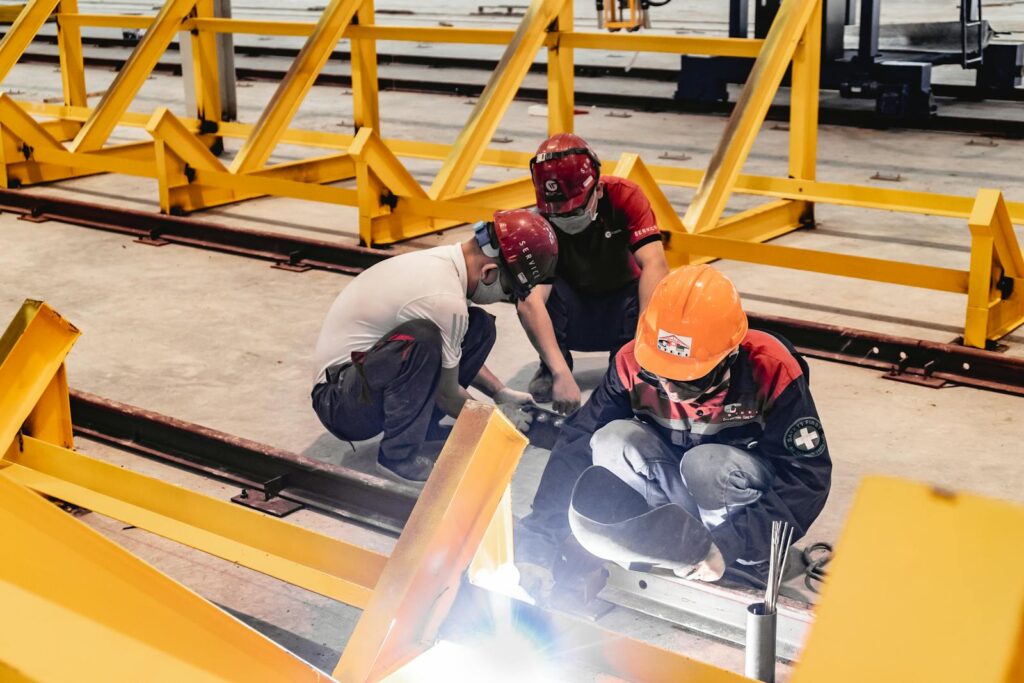
Steel fabrication involves cutting, bending and assembling steel to create structures and components that are used in construction, manufacturing and engineering. Given the critical role of steel in structural integrity, compliance with Australian safety regulations is not just important—it’s essential. Failing to meet legal requirements can lead to serious consequences, including financial penalties, structural failures and safety hazards.
So, does your steel fabrication project comply with Australian safety regulations? The answer lies in understanding the strict standards in place, ensuring high-quality materials and processes and working with certified fabricators. At Metro Steel, we prioritise compliance at every stage to deliver safe, durable and regulation-approved steel solutions.
Understanding Australian Safety Regulations for Steel Fabrication
What Are the Key Safety Standards in Australia?
Australian steel fabrication is governed by a range of safety standards to ensure structures are strong, durable and hazard-free. Some of the key regulations include:
- AS 4100 – This standard outlines requirements for steel structures, ensuring they meet strength and performance criteria, covering aspects such as material selection, design, fabrication, erection and inspection.
- AS/NZS 1554 – Covers welding processes and the standards fabricators must follow for safe and reliable welds. This includes guidance on pre-welding preparation, welding techniques and post-welding inspections.
- AS 1319 – Specifies workplace safety signage to enhance hazard communication on fabrication sites. This ensures that critical information regarding risks, PPE requirements and emergency protocols is clearly displayed.
- AS 3990 – Establishes rules for mechanical steelwork, ensuring that steel components used in industrial and mechanical settings are structurally sound and safe for operation.
- AS/NZS 4600 – Covers the design of cold-formed steel structures, ensuring that lighter-gauge steel components meet safety and durability requirements.
These regulations exist to prevent structural failures, reduce workplace accidents and guarantee the longevity of fabricated steel components. Compliance ensures that buildings, bridges and other structures remain safe for public and private use.
Legal and Compliance Requirements for Fabricators
In addition to technical standards, Australian laws impose strict safety and compliance requirements on fabricators, including:
- Workplace Health and Safety (WHS) laws – Employers must ensure a safe working environment, provide protective gear and train workers in safety protocols. WHS laws vary by state, but all require businesses to implement risk management strategies.
- Certification and inspection requirements – Steel materials and fabrication processes must pass quality assurance tests before use in construction projects. Independent inspections and third-party verifications help ensure compliance.
- Risk management obligations – Project managers and businesses must conduct regular safety checks, maintain safety documentation and comply with state-specific WHS laws.
- Environmental compliance – Fabricators must follow environmental regulations regarding waste disposal, emissions control and sustainable material sourcing.
Understanding and adhering to these regulations is crucial to avoiding legal penalties and ensuring safe project outcomes.
Common Compliance Issues in Steel Fabrication Projects
Material Quality and Certification
One of the biggest compliance risks in steel fabrication is using substandard or uncertified materials. Australian law mandates that all steel used in fabrication meets specific quality standards. Key steps to ensure material compliance include:
- Sourcing from reputable suppliers that provide Australian-certified steel.
- Checking mill certificates that confirm the steel meets AS/NZS standards.
- Avoiding cheap imports that may not comply with local safety requirements.
- Ensuring traceability of materials used in projects by keeping documentation and test reports for auditing purposes.
Welding and Structural Integrity Standards
Welding is a critical part of steel fabrication and poor welding techniques can lead to structural failures. Compliance with AS/NZS 1554 ensures that welding procedures meet quality and safety standards. Common non-compliance issues include:
- Incorrect welding techniques that weaken joints and cause defects.
- Failure to conduct non-destructive testing (NDT) to check weld integrity. These tests help detect internal flaws that may compromise strength.
- Lack of qualified welders following standard procedures increases the risk of weak or brittle welds.
- Inadequate post-welding treatments such as heat treatments and inspections to strengthen welded joints.
Worker Safety and On-Site Regulations
Fabrication sites pose multiple hazards, from high temperatures to heavy machinery. To comply with WHS laws, businesses must enforce:
- Personal Protective Equipment (PPE) policies for workers handling steel and welding equipment. This includes helmets, gloves, eye protection and flame-resistant clothing.
- Regular safety training to minimise accident risks, ensuring workers know how to operate machinery and handle materials safely.
- On-site hazard assessments to identify and mitigate potential dangers such as falling objects, sharp edges and exposure to harmful fumes.
- Proper ventilation systems to remove welding fumes and airborne contaminants from the workplace.
How to Ensure Your Steel Fabrication Project is Fully Compliant
Conducting Regular Safety Audits
Regular audits help businesses identify safety gaps before they lead to compliance breaches. A proper safety audit should include:
- Inspection of materials and welding quality to confirm they meet standards.
- Worker training assessments to ensure safety protocols are followed.
- Risk evaluation to address potential hazards before they escalate.
- Compliance documentation to keep records of inspections and certifications.
Working with Certified Steel Fabricators
Choosing a reputable fabricator is one of the best ways to ensure compliance. A certified fabricator:
- Follows Australian safety standards and best practices.
- Uses high-quality, certified steel materials.
- Has a track record of compliance and quality assurance.
- Provides detailed reports on material sourcing, welding inspections and testing procedures.
Staying Updated with Regulation Changes
Safety regulations evolve to reflect new industry standards and risks. Fabricators and project managers should:
- Regularly check updates from authorities such as Safe Work Australia.
- Engage in industry training programs to stay informed on best practices.
- Work with compliance experts to ensure projects meet the latest legal requirements.
- Subscribe to industry newsletters and participate in regulatory discussions to stay ahead of changes.
What Happens If Your Project Doesn’t Meet Compliance?
Legal Consequences and Fines
Non-compliance with Australian steel fabrication regulations can result in severe penalties, including:
- Hefty fines for failing to meet WHS laws and safety standards.
- Project shutdowns or delays due to non-compliant materials or processes.
- Liability claims in case of workplace accidents or structural failures.
- Legal disputes with clients and stakeholders over safety breaches.
Risks to Structural Safety and Business Reputation
Beyond legal penalties, failing to comply with steel fabrication standards can lead to:
- Structural weaknesses that compromise building safety.
- Loss of business credibility as clients and partners avoid non-compliant fabricators.
- Increased project costs due to necessary rework or legal disputes.
- Negative press and damaged reputation affecting future opportunities.
Ensuring Compliance with Metro Steel – Your Trusted Fabrication Partner
At Metro Steel, we understand that compliance is non-negotiable when it comes to steel fabrication. We are committed to ensuring that every project meets Australian safety regulations, from material selection to final fabrication. By partnering with us, you gain access to certified materials, expert fabricators and a commitment to safety that guarantees quality and compliance.
If you need expert guidance on a steel fabrication project, contact Metro Steel today to ensure your project is compliant, safe and built to last.
