 Working Hours - Mon – Fri 7:00 AM – 4:00 PM
 Talk to an Expert (07) 3204 1000
Steel is one of the most widely used construction materials due to its exceptional strength, durability and versatility. However, not all steel structures are created equal. To ensure long-lasting and resilient buildings, bridges and industrial frameworks, careful selection of materials, advanced construction techniques and regular maintenance are essential. At Metro Steel, we prioritise quality and innovation to deliver steel structures that stand the test of time.
The Science Behind Durable Steel Structures
Selecting High-Quality Steel Materials
Using high-quality steel is the foundation of durable structures. Factors like material grade, testing protocols and proper selection processes play a significant role in ensuring strength and longevity. The right material selection affects not only the immediate integrity of a structure but also its ability to withstand wear and environmental stresses over time.
Understanding Material Grades and Their Impact
Different steel grades have varying properties that affect strength, corrosion resistance and weldability. Structural steel is categorised into different grades, such as mild steel, high-strength low-alloy (HSLA) steel and stainless steel, each suited for specific applications. Choosing the right grade ensures optimal performance under different conditions. For instance, HSLA steel is ideal for load-bearing applications, while stainless steel is preferred for its corrosion resistance in harsh environments. Engineers must assess factors such as yield strength, ductility and impact resistance when selecting materials for a project.
Quality Assurance and Testing Protocols
Steel undergoes rigorous testing, including tensile strength, impact resistance and hardness assessments, to meet industry standards. Certification from organisations such as the American Society for Testing and Materials (ASTM) or the British Standards Institution (BSI) guarantees material reliability. Testing methods such as ultrasonic inspection and X-ray analysis help detect internal flaws that could compromise structural integrity. Consistent quality control procedures ensure that steel meets project specifications before it is used in construction.
Proper Heat Treatment and Alloy Composition
Heat treatment processes like annealing, normalising and quenching improve steel’s mechanical properties. The addition of elements such as chromium, nickel and manganese further enhances strength and resistance to environmental factors. Quenching increases hardness, while tempering improves toughness. The right combination of alloying elements and heat treatment ensures a balance between strength and flexibility, reducing the risk of brittleness and failure under stress.
Innovative Construction Techniques for Enhanced Durability
Modern construction methods significantly impact the lifespan of steel structures. Employing cutting-edge fabrication, welding and assembly techniques leads to stronger and more resilient buildings. Structural failures are often the result of poor workmanship, making precision in fabrication and assembly a crucial factor in longevity.
Modern Welding and Joining Methods
Advanced welding techniques such as laser welding, friction stir welding and robotic welding improve the strength and consistency of joints, reducing weak points in a structure. These methods ensure minimal heat distortion, better fusion and higher tensile strength in welded joints. Properly executed welding prevents issues such as porosity, cracking and stress concentration that can weaken a structure over time.
Advanced Fabrication and Assembly Processes
Precision fabrication, including CNC machining and automated cutting, ensures accurate steel components that fit seamlessly, minimising errors and enhancing structural integrity. Automated fabrication reduces material waste and increases efficiency. Prefabrication techniques also contribute to durability by ensuring steel components are manufactured under controlled conditions, leading to fewer defects and inconsistencies.
Bolted vs. Welded Connections
Bolted connections offer flexibility and ease of maintenance, while welded connections provide superior strength. A combination of both techniques is often used to optimise durability. Bolted joints allow for adjustments and disassembly if needed, making them ideal for modular structures. Welded connections, on the other hand, provide a more permanent and seamless bond, reducing movement and potential weak points in high-stress areas.
Seismic-Resistant Construction Techniques
Using reinforced steel frames, braced connections and energy-dissipating joints helps buildings withstand seismic activity and extreme weather conditions. Earthquake-resistant designs incorporate flexible joints and dampers that absorb energy during tremors, preventing catastrophic failures. This is particularly important for structures in regions prone to seismic activity.
Design Considerations for Long-Lasting Structures
The structural design phase plays a vital role in maximising durability. Engineers must focus on load distribution, geometric reinforcement and efficient material use. A well-thought-out design not only ensures structural integrity but also optimises material usage to enhance efficiency and reduce costs.
Engineering Best Practices for Load Distribution
Properly distributing weight and stress across steel structures prevents weak points and reduces wear over time. Techniques such as load-bearing beams and reinforced foundations enhance stability. Load distribution calculations ensure that the structure can withstand varying forces, including wind, seismic loads and live loads such as traffic and occupancy.
Optimising Structural Geometry and Reinforcement
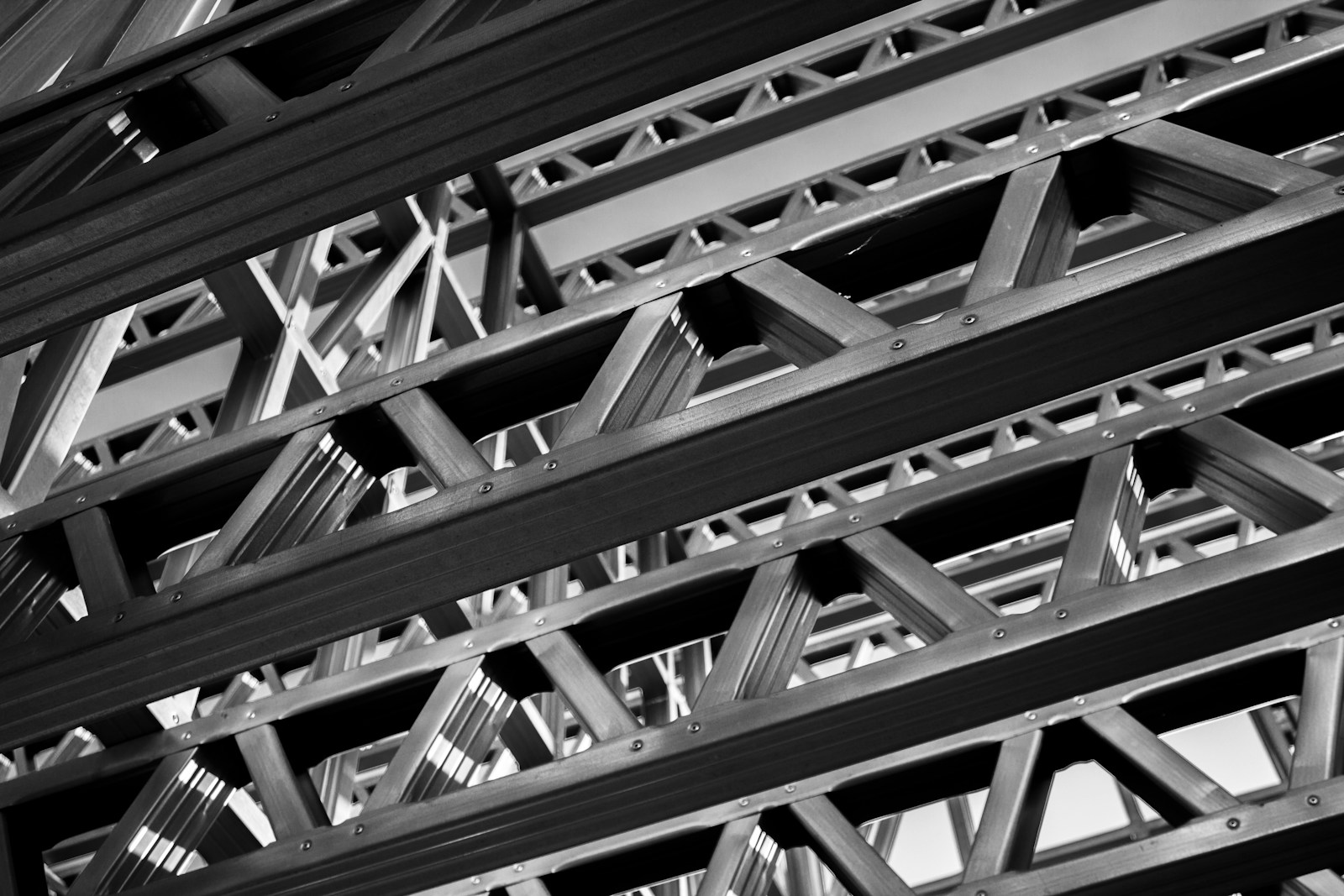
Strategic use of trusses, cross-bracing and reinforcement plates strengthens steel structures, making them more resistant to bending and deformation. Complex structures benefit from finite element analysis (FEA), which simulates stress distribution and helps engineers optimise reinforcement placement for maximum strength.
Incorporating Expansion Joints
Expansion joints accommodate thermal expansion and contraction, preventing cracks and stress accumulation in steel frameworks. Without expansion joints, temperature fluctuations could cause warping, leading to long-term damage and increased maintenance costs.
Wind and Vibration Resistance
Designing for wind loads and vibrations, particularly in high-rise buildings and bridges, helps maintain structural integrity under external forces. Advanced wind tunnel testing and dynamic load simulations assist engineers in fine-tuning designs to withstand extreme conditions.
Maintenance Strategies for Prolonged Structural Strength
Regular inspections and preventive maintenance measures are essential for extending the lifespan of steel structures. Even the best-designed structures require ongoing monitoring to detect and address wear and tear before it becomes a major issue.
Scheduled Inspections and Preventive Maintenance
Routine structural assessments help identify early signs of wear, fatigue, or damage, allowing for timely repairs before major issues arise. Professional inspections should include corrosion analysis, stress tests and visual assessments of welds and joints.
Corrosion Prevention and Protective Coatings
Applying galvanisation, epoxy coatings, or powder coatings protects steel surfaces from corrosion caused by moisture, chemicals and environmental exposure. Corrosion is one of the leading causes of steel deterioration and proper protective measures can significantly extend a structure’s lifespan.
Structural Strengthening and Retrofitting
Older steel structures can be reinforced with additional bracing, steel plating, or composite materials to extend their usability and safety. Retrofitting is often used to bring aging structures up to modern safety standards without requiring complete reconstruction.
Stronger, More Durable Steel Structures: Metro Steel’s Path to Excellence
At Metro Steel, we combine high-quality materials, expert craftsmanship and cutting-edge techniques to create steel structures that meet the highest durability standards. Our commitment to innovation, sustainability and customer satisfaction ensures that every project we undertake is built to last. If you’re looking for reliable steel solutions, contact our team today to discuss your specific needs.
