 Working Hours - Mon – Fri 7:00 AM – 4:00 PM
 Talk to an Expert (07) 3204 1000
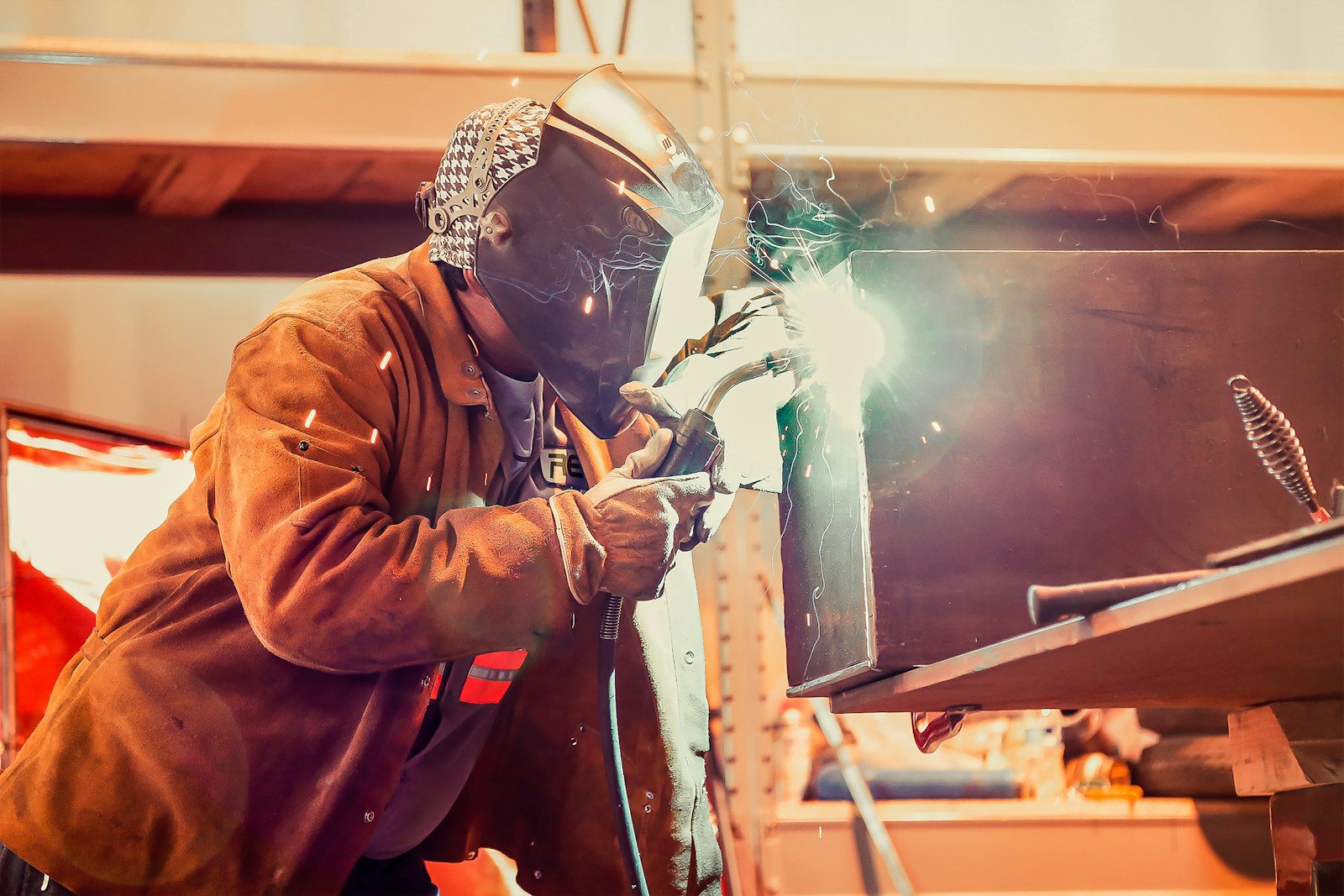
Steel fabrication is the process of transforming raw steel into custom components used in construction, manufacturing and various industrial applications. It involves cutting, bending, welding and assembling steel to create everything from structural beams to intricate architectural designs. Given its role in major projects, even minor errors can lead to costly delays, reworks, or structural issues. So, how can these setbacks be avoided? The key lies in meticulous planning, strict quality control and working with experienced professionals who understand the complexities of steel fabrication. At Metro Steel, we’ve seen firsthand how a well-managed project can save time and money while ensuring durability and compliance with industry standards.
Understanding the Steel Fabrication Process
Steel fabrication is a multi-step process that requires precision and expertise at every stage. It begins with the design phase, where engineers and fabricators create detailed blueprints using advanced CAD software. Every specification must be exact because even a small miscalculation can result in costly rework later.
After finalising the designs, material selection and cutting take place. Choosing the right steel grade is crucial since different projects demand varying levels of strength and durability. Precision cutting methods like laser or plasma cutting ensure that each component fits perfectly during assembly.
Once the pieces are cut and shaped, they are welded together by skilled fabricators who follow strict industry standards. The final stage includes surface treatments such as galvanising or powder coating, which help protect the steel from corrosion—especially important in Brisbane’s humid climate. After passing a final quality inspection, the components are transported to the construction site for installation, where coordination between teams ensures everything fits as planned.
Identifying Common Challenges Leading to Delays and Errors
Even with careful planning, steel fabrication projects can face challenges that cause costly setbacks. Understanding these common issues can help businesses avoid them.
Supply Chain and Material Procurement
Delays in material supply can disrupt the entire project timeline. If raw materials arrive late, are of subpar quality, or fail to meet specifications, production stalls. Brisbane’s construction industry is highly dependent on timely material delivery, so supply chain disruptions—whether due to transport delays or shortages—can be a major setback. To prevent this, businesses must work with reliable suppliers, plan orders well in advance and have contingency plans for alternative sourcing.
Design and Engineering Complexities
Errors in the design phase often lead to fabrication issues. A single miscalculation in dimensions or material strength can cause components to be incompatible, requiring costly modifications or rework. In some cases, design changes made midway through a project can create inconsistencies, further slowing down progress. Ensuring that designs are thoroughly reviewed and approved before fabrication begins is crucial to avoiding these issues.
On-Site Coordination Difficulties
Poor communication and coordination between contractors, fabricators and project managers can result in mismatched components, installation errors and delays. When different teams are not aligned on schedules and requirements, critical steps may be overlooked. Regular progress meetings, clear documentation and digital collaboration tools help ensure that everyone stays informed and that fabrication aligns seamlessly with the broader construction timeline.
Expert Strategies to Prevent Costly Delays and Errors
Preventing project delays and errors requires a proactive approach. By following proven strategies, businesses can keep their steel fabrication projects on track and avoid unnecessary costs.
Effective Project Planning and Scheduling
Thorough project planning is the foundation of a successful steel fabrication job. Setting realistic timelines, incorporating buffer periods for potential setbacks and ensuring all teams are aligned from the start help avoid unexpected delays. Having a structured workflow allows for better resource allocation, prevents bottlenecks and ensures that fabrication runs smoothly from design to installation.
Rigorous Quality Assurance and Inspections
Quality control should be embedded into every stage of the fabrication process. Conducting regular inspections ensures that materials meet specifications, welds are strong and measurements are precise. Adhering to Australian safety and structural standards not only prevents defects but also minimises the risk of project failures or costly legal issues down the line.
Collaborating with Seasoned Fabricators
Working with experienced steel fabricators can significantly reduce the likelihood of errors. Skilled professionals understand potential risks and can identify problems before they escalate. Advanced technology, such as CNC machining and automated welding, enhances precision, reducing human error and ensuring a high-quality final product.
Strong Communication and Coordination
Miscommunication is a common cause of project delays. Establishing clear lines of communication between fabricators, engineers and contractors helps prevent misunderstandings that could lead to costly mistakes. Digital project management tools and regular progress updates keep all stakeholders informed and aligned.
Addressing Site-Specific Challenges Early
Every project site presents unique challenges, from space constraints to environmental conditions. Conducting a pre-installation assessment helps identify potential obstacles before they impact the timeline. Factoring in logistical issues, weather conditions and site accessibility ensures a smoother installation process.
Investing in Advanced Fabrication Techniques
Utilising modern fabrication technology can significantly improve efficiency and precision. Automated cutting and welding equipment, 3D modelling software and AI-driven quality control systems help streamline production, reducing the risk of errors while increasing productivity. Businesses that embrace these innovations benefit from faster turnaround times and superior quality outcomes.
The Benefits of Professional Steel Fabrication Services
Choosing a professional steel fabrication service provides several key advantages, including increased efficiency, long-term cost savings and compliance with industry standards.
Enhanced Efficiency and Timely Delivery
Professional fabricators streamline the entire process, ensuring that materials are cut, shaped and assembled with precision. This efficiency helps projects stay on schedule, avoiding costly delays caused by rework or logistical issues. A well-managed workflow allows for faster turnaround times without compromising on quality.
Long-Term Cost Savings and Safety
High-quality fabrication reduces the risk of structural failures and expensive repairs. Properly welded and treated steel structures are more durable, minimising maintenance costs over time. Additionally, ensuring structural integrity from the start enhances overall safety, protecting both workers and future occupants.
Compliance with Industry Standards
Strict adherence to Australian steel fabrication standards is essential for safety and project approval. Professional fabricators understand the legal and technical requirements, ensuring that all components meet the necessary certifications. Compliance not only guarantees safety but also prevents potential legal complications that could arise from non-compliant structures.
Customisation and Flexibility
Experienced steel fabricators offer custom solutions tailored to specific project needs. Whether it’s creating complex architectural designs or ensuring compatibility with existing structures, professional services provide the flexibility needed to achieve project goals. Custom fabrication ensures that each component fits perfectly, reducing the risk of installation issues.
Sustainability and Waste Reduction
Modern steel fabrication incorporates eco-friendly practices, such as recycling excess materials and using energy-efficient processes. This approach reduces environmental impact while maximising resource efficiency. As sustainability becomes a priority in construction, working with fabricators who follow green practices can benefit both the project and the broader industry.
Why Metro Steel is Your Go-To Choice for Steel Fabrication in Brisbane?
Avoiding costly delays and errors in steel fabrication comes down to meticulous planning, quality control and collaboration with experienced professionals. By addressing supply chain challenges, ensuring design accuracy and maintaining strong communication, businesses can keep projects on track and within budget.
At Metro Steel, we pride ourselves on delivering high-quality steel fabrication services tailored to the needs of Brisbane’s construction and industrial sectors. Our expertise, commitment to precision and use of advanced technology ensure that your project is completed efficiently and to the highest standards. If you’re looking for a trusted steel fabrication partner, get in touch with us today to discuss your next project.
